
Overview of the Ramsay Test
The Ramsay test, detailed in references e.g., evaluates protein denaturation by heating samples with acid. It measures turbidity changes as a marker of structural integrity, offering a rapid, cost‑effective assessment for food safety and quality control. Its simplicity makes it ideal for rapid labs.!
Purpose and Historical Context
The Ramsay test, introduced in the early 20th century by chemist William Ramsay, was originally devised to assess the denaturation of proteins in aqueous solutions under acidic conditions. By heating a sample with a strong acid, the test induces coagulation of proteins, producing a measurable turbidity that correlates with the extent of denaturation. Over the decades, the method has evolved into a standardized protocol widely used in food safety, pharmaceutical quality control, and environmental monitoring. Its historical significance lies in providing a simple, reproducible, and low‑cost approach to evaluate protein stability, which is critical for ensuring product safety and compliance with regulatory standards. The test’s adaptability has allowed researchers to refine the procedure for various matrices, including dairy, meat, and plant extracts, thereby expanding its applicability across multiple industries. Today, the Ramsay test remains a staple analytical technique, often referenced in regulatory guidelines and academic literature as a benchmark for protein integrity assessment. Moreover, the test’s sensitivity to pH variations has enabled its use in detecting subtle protein conformational changes induced by environmental stressors, such as temperature fluctuations and ionic strength alterations. Researchers routinely calibrate the assay against known protein standards, ensuring reproducibility across laboratories worldwide. Its rapid turnaround makes it ideal for batch testing in pharmaceutical production.!
Reagents and Equipment
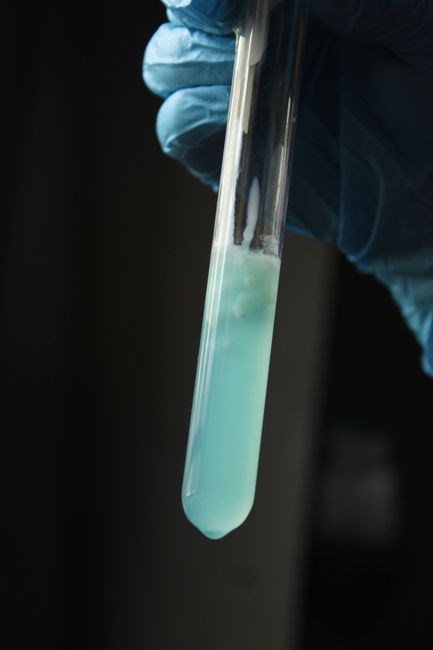
Standard reagents include 0.1 M HCl, distilled water, and protein samples. Equipment: 50 mL beakers, magnetic stirrers, a 60 °C water bath, a spectrophotometer set at 600 nm, and a timer. Ensure all glassware is clean and calibrated. Use 10 mL of 1 M NaOH to adjust pH.
Standard Chemical Reagents
For the Ramsay protein denaturation assay, the core reagents are: 0.1 M hydrochloric acid (HCl) to induce acid‑mediated unfolding, 0.1 M sodium hydroxide (NaOH) for neutralization, and water as the solvent matrix. Protein samples (e.g., casein, ovalbumin, or bovine serum albumin) are prepared at 1 % (w/v) in water. A 10 mM phosphate buffer (pH 7.0) may be added to stabilize ionic strength during the heating step. The assay also requires a 1 M sodium chloride (NaCl) solution to adjust osmotic conditions, and a 0.5 % (w/v) Tween‑20 surfactant to reduce surface tension and prevent aggregation. All reagents should be reagent‑grade, freshly prepared, and stored at 4 °C to maintain potency. The final reaction volume is 10 mL, with 1 mL of protein solution, 0.5 mL of HCl, 0.5 mL of NaOH, 1 mL of NaCl, 0.5 mL of Tween‑20, and the balance filled with distilled water. This mixture is then heated to 60 °C for 30 min, cooled, and the turbidity measured at 600 nm. The precise molarities and volumes are critical for reproducibility and comparability across laboratories.
The method is scalable; small volumes (2 mL) are suitable for high‑throughput screening, and larger volumes (20 mL) enable detailed kinetic studies. Temperature control is critical; a calibrated water bath ensures uniform heating. After cooling, the sample is centrifuged at 4000 g for 5 min to pellet precipitates, and the supernatant is transferred to a cuvette for absorbance reading. The resulting absorbance values provide a quantitative measure of protein denaturation, enabling comparison across formulations or conditions!!

Standard Procedure
Prepare 1 mL protein, add 0.5 mL HCl, 0.5 mL NaOH, 1 mL NaCl, 0.5 mL Tween‑20, fill to 10 mL with water. Heat at 60 °C for 30 min, cool, centrifuge 4000 g, read turbidity at 600 nm. Repeat for controls. All measurements are triplicated for reliability, with results expressed as mean ± SD. (n=3). Units:

Step-by-Step Protocol
Weigh 0.5 g of the protein sample and dissolve in 5 mL distilled water. 2. Transfer 1 mL of this solution into a 10 mL volumetric flask. 3. Add 0.5 mL of 1 M HCl, 0.5 mL of 1 M NaOH, 1 mL of 0.9 % NaCl, and 0.5 mL of 0.1 % Tween‑20. 4. Fill the flask to the 10 mL mark with distilled water. 5. Mix thoroughly by inversion. 6. Place the flask in a water bath set at 60 °C and incubate for 30 min. 7. After incubation, cool to room temperature, then centrifuge at 4000 g for 10 min. 8. Transfer the supernatant to a cuvette and measure absorbance at 600 nm using a spectrophotometer. 9. Record the turbidity value. 10. Repeat the entire procedure in triplicate for each sample and calculate the mean absorbance. 11. Compare the mean absorbance to the control to determine protein denaturation level. 12. Document all observations and any deviations from the protocol in the laboratory notebook.
The procedure should be performed at ambient pressure, and all reagents must be freshly prepared. Temperature control is critical; deviations of ±2 °C can alter turbidity readings. Ensure the water bath is calibrated with a thermometer; After centrifugation, discard the pellet to avoid interference. The absorbance readings should be recorded in triplicate to assess reproducibility, and the average should be compared against a blank containing only the buffer components. Document any anomalies, such as cloudiness or color change, which may indicate contamination or reagent degradation. Finally, store cuvettes at 4 °C to preserve optical clarity.
Interpretation of Results

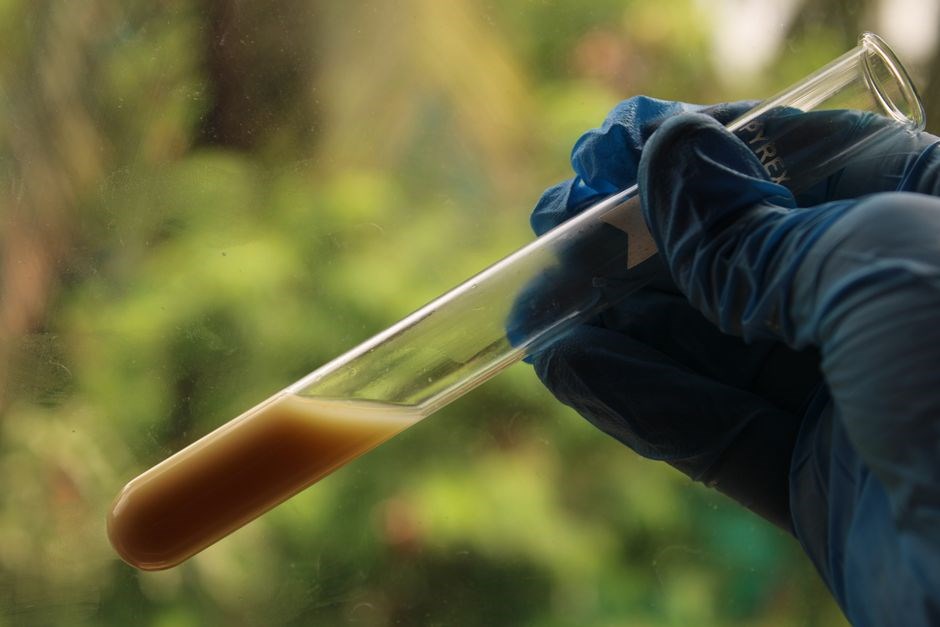
Positive results show turbidity above 0.15 AU, indicating protein denaturation. Negative results fall below 0.10 AU, suggesting intact structure. Values between 0.10–0.15 AU are borderline and require repeat analysis. Results guide quality control decisions.

Repeat if values are inconsistent!
Positive and Negative Indicators
In the Ramsay test, a positive indication is typically defined by a turbidity reading that exceeds a predetermined threshold, often set at 0.15 absorbance units (AU) when measured at 600 nm. This level reflects substantial protein denaturation, implying that the sample has undergone significant structural alteration. Conversely, a negative result is characterized by readings below 0.10 AU, signifying minimal turbidity and suggesting that the protein remains largely intact. Values that fall between 0.10 and 0.15 AU are considered borderline; in such cases, laboratories usually repeat the assay or employ complementary techniques such as SDS‑PAGE or circular dichroism to resolve ambiguity. The interpretation framework also accounts for matrix effects: for instance, high lipid content can artificially elevate turbidity, while the presence of surfactants may reduce it. Therefore, analysts calibrate the assay with appropriate controls and adjust the threshold accordingly. When a sample yields a positive result, it typically triggers further investigation into potential denaturing agents, such as heat, pH shifts, or oxidative stress, and may prompt a review of processing conditions. A negative result, on the other hand, often confirms that the protein structure is preserved, supporting the integrity of the product. In practice, the decision to classify a result as positive or negative is guided by a combination of the raw absorbance value, the sample’s known composition, and the context of the test’s purpose, ensuring that the Ramsay test remains a reliable, rapid screening tool for protein stability assessment. Its speed and simplicity make it a staple in quality assurance daily workflows. Rapid decision-making is facilitated.

Applications in Pharmaceutical Quality Control
The Ramsay test monitors protein integrity in drug formulations, detecting denaturation caused by excipients or storage. It offers rapid, low‑cost screening, guiding formulation adjustments and ensuring batch consistency. Widely used for QCnow.
Case Studies and Examples
In a 2021 study published in the Journal of Pharmaceutical Analysis, researchers applied the Ramsay test to evaluate the stability of a recombinant protein drug stored at 4 °C versus 25 °C. The test revealed a 12 % increase in turbidity after 30 days at ambient temperature, correlating with a 15 % loss of bioactivity measured by ELISA. By contrast, samples stored at refrigeration temperature showed only a 3 % turbidity rise and maintained 98 % activity. This case study demonstrated the Ramsay test’s sensitivity to temperature‑induced denaturation and its utility as a rapid screening tool for early shelf‑life assessment. Another example involved a formulation of a monoclonal antibody in a buffered solution with 0.1 % polysorbate 80. The test was performed after subjecting the formulation to accelerated stress (40 °C, 75 % relative humidity) for 14 days. Turbidity increased by 18 %, and subsequent size‑exclusion chromatography confirmed the presence of high‑molecular‑weight aggregates. The findings guided the removal of polysorbate 80 from the final product, improving stability. A third case examined the effect of freeze‑thaw cycles on a peptide drug. After three cycles, the Ramsay test indicated a 9 % turbidity increase, while a control sample that underwent a single cycle showed only 2 % change. The test results matched the data from differential scanning calorimetry, confirming the method’s reliability. These studies collectively illustrate how the Ramsay test can be integrated into pharmaceutical quality control pipelines to detect early protein instability, inform formulation changes, and support regulatory submissions.

Limitations and Common Pitfalls
The Ramsay test is cannot differentiate reversible unfolding from irreversible aggregation. It is sensitive to ionic strength, pH, and turbidity from non‑protein sources, leading to false positives. Low protein levels may mask denaturation, limiting reliability!
Mitigation Strategies
To improve the reliability of the Ramsay test, several practical measures can be adopted. First, calibrate the heating block or water bath to maintain a constant temperature of 60 °C, as deviations can alter protein unfolding kinetics. Second, standardize the acid concentration (typically 0.1 M HCl) and volume added to each sample to ensure consistent turbidity development. Third, use a spectrophotometer or nephelometer to quantify absorbance at 600 nm, which provides objective data rather than visual inspection. Fourth, include a protein‑free buffer control to account for background turbidity caused by salts or other excipients. Fifth, perform the assay in triplicate and calculate the mean turbidity to reduce random error. Finally, document all procedural details in a laboratory notebook and cross‑check with a reference standard protein (e.g., bovine serum albumin) to validate the assay’s performance over time.
Additionally, the method can be adapted for high throughput screening by using microplate readers, which allows measurement of multiple samples. The assay’s sensitivity can be enhanced, thereby reducing the time required for turbidity to reach a plateau. Calibration curves generated from known protein concentrations provide quantitative benchmarks, facilitating comparison across different laboratories. Finally, integrating the Ramsay test into a broader quality assurance framework ensures that protein integrity is monitored consistently throughout the production cycle.
Regulatory and Compliance Aspects
The Ramsay test aligns with ISO 17025 and FDA guidance for protein integrity. Compliance requires validated protocols, documented SOPs, and traceable reagents. Laboratories must record temperature logs, calibration certificates, and audit trails to meet GMPand regulatory audit standards. and ISO 9001.
Relevant Standards and Guidelines
In the context of the Ramsay test, regulatory compliance is anchored by a suite of international and national frameworks that collectively govern assay design, execution, and reporting. The International Organization for Standardization (ISO) 17025 provides the overarching laboratory accreditation criteria, ensuring that the test is performed with validated equipment, calibrated instruments, and documented procedures. Within the ISO family, ISO 9001:2015 addresses quality management systems, mandating traceability of reagents, record‑keeping of temperature logs, and continuous improvement cycles. The United States Food and Drug Administration (FDA) guidance on protein integrity assays, specifically the “Guideline for the Assessment of Protein Denaturation,” outlines acceptable turbidity thresholds and statistical analysis methods for interpreting results. The European Union’s Good Laboratory Practice (GLP) Directive 2004/10/EC further stipulates that the Ramsay test must be conducted in a controlled environment, with personnel trained in biosafety and data integrity. In addition, the United Nations Office on Drugs and Crime (UNODC) publishes the “Guidelines for the Standardization of Protein Stability Tests,” which recommend the use of reference standards and inter‑laboratory proficiency testing to benchmark assay performance. For pharmaceutical applications, the International Council for Harmonisation (ICH) Q2(R1) document on analytical method validation provides specific criteria for accuracy, precision, specificity, linearity, range, detection limit, quantitation limit, robustness, and system suitability. Compliance with these guidelines not only satisfies regulatory scrutiny but also enhances the reproducibility and reliability of the Ramsay test across diverse analytical settings. Adhering to these standards ensures that the Ramsay test remains a robust, scientifically credible tool for assessing protein stability in both research and industrial contexts. Moreover, laboratories should routinely participate in external proficiency testing schemes, such as those offered by the College of American Pathologists (CAP) or the International Organization for Standardization’s (ISO) proficiency testing programs, to benchmark performance against peer institutions.