
Vehicle Overview

Explore the 2010 Honda Accord’s design, safety, and tech features. The manual explains maintenance minder alerts, dealer service training, warranty coverage, and how to use controls. Keep it in the vehicle for quick reference and to protect your investment. Follow guidelines for service intervals and record.now
2010 Honda Accord Model Features
The 2010 Honda Accord delivers a blend of performance, comfort, and advanced technology. Equipped with a 2.4‑liter inline‑four engine that produces 185 horsepower, the sedan offers smooth acceleration and efficient fuel economy. A continuously‑variable transmission (CVT) pairs with front‑wheel drive to provide seamless power delivery and a refined driving experience. The Accord’s chassis incorporates a low‑center‑of‑gravity design, improving handling dynamics and stability on both city streets and open highways.
Inside, the cabin features high‑quality materials and a driver‑centered layout. Standard amenities include power‑adjustable front seats, dual‑zone airbags, anti‑locking brakes, electronic stability control, and a rear‑view camera that assists in parking and low‑speed maneuvers.
Additional convenience features include keyless entry, automatic headlights, and a power‑folding rear seat that expands cargo space. The Accord’s exterior styling showcases a sleek front fascia, LED daytime running lights, and a bold chrome grille. All these elements combine to make the 2010 Accord a well‑rounded package that balances performance, safety, and everyday usability. Powertrain and low‑friction tires boost fuel economy for drives.
The 2010 Accord offers adaptive cruise control, lane‑departure warning, and a pre‑collision system that detects pedestrians and vehicles ahead. Its infotainment hub includes a 5‑inch display, USB ports, and a navigation module with map updates via a memory card. The audio system supports MP3, AAC, and WMA formats for high‑definition sound.

Control Layout
The steering wheel sits centrally 3‑way tilt, and lock. The accelerator, brake, and clutch pedals are within easy reach. The gearshift lever on the center console offers Park, Reverse, Neutral, Drive, and manual selections for ergonomic handling! All controls ergonomic for drivers, comfort.!
Steering, Pedals, and Gearshift
In the 2010 Honda Accord, the steering wheel is positioned centrally, offering a 3‑way tilt and lock mechanism that allows drivers to adjust the angle for optimal comfort and visibility. The wheel’s ergonomic design provides a secure grip while maintaining a lightweight feel for easy handling. The accelerator, brake, and clutch pedals are located within easy reach of the driver’s foot, ensuring smooth and responsive operation. The accelerator pedal sits to the right, the brake to the left, and the clutch to the far left for manual‑gear vehicles. Each pedal is engineered for a consistent feel and can be adjusted to accommodate different driver heights and preferences. The gearshift lever sits on the center console, between the driver and passenger seats, and offers a standard H‑pattern for automatic transmissions, with a separate lever for manual mode. The gear selector includes Park, Reverse, Neutral, Drive, and a manual mode that can be engaged by moving the lever to the left side of the H‑pattern. The shift lever’s tactile feel lets drivers know when the gear has engaged, and its ergonomic placement reduces driver fatigue during long drives. The overall layout of the steering wheel, pedals, and gearshift lever is designed for ease of use, safety, and comfort, ensuring that drivers can focus on the road while maintaining full control of the vehicle. The steering column’s adjustable height and tilt features allow drivers of various statures to find a comfortable driving position, while the steering wheel’s soft‑touch material enhances grip during prolonged use. The pedal assembly’s smooth operation and minimal resistance provide a refined driving experience, and the gearshift lever’s clear markings and smooth action help prevent accidental shifts. Together, these parts form a cockpit, enabling safe driving!!
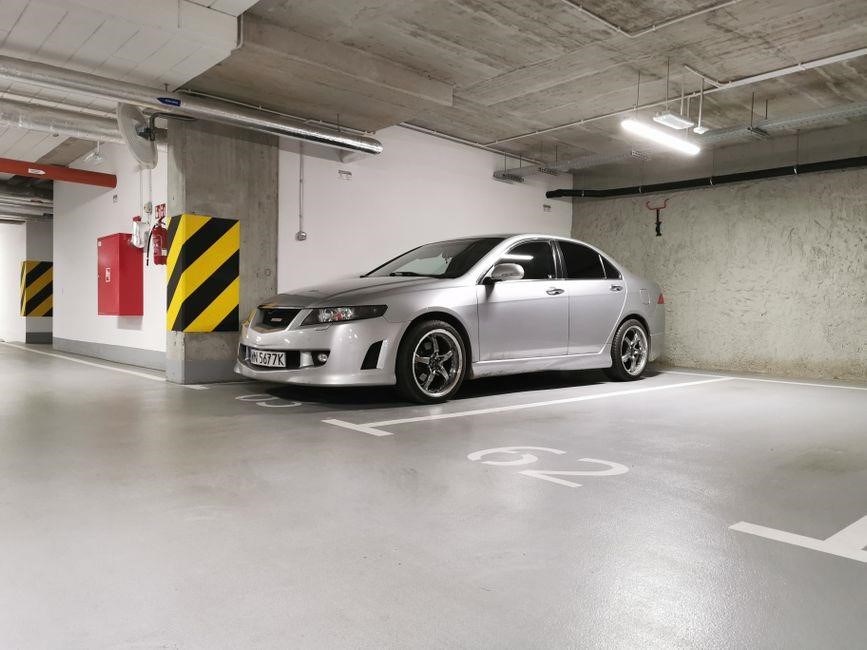
Instrument Cluster
The instrument cluster displays the speedometer, tachometer, fuel gauge, and warning lights. The speedometer shows mph/kph, the tachometer indicates RPM, and the fuel gauge reflects remaining capacity. Warning lights alert you to engine, brake, and battery status, ensuring safe operation. All gauges calibrated
The 2010 Honda Accord’s instrument cluster offers clear, reliable displays. The speedometer shows mph and kph, updating instantly as the car moves, helping drivers stay within legal limits. Adjacent to it, the tachometer indicates RPM, letting drivers shift gears smoothly and monitor engine performance. Below the tachometer, the fuel gauge reflects the remaining tank level; its needle moves from empty to full, providing a quick visual cue for refueling. Warning lights are positioned around the cluster to alert drivers to potential problems. The engine check light illuminates when the engine control module detects a fault, prompting a diagnostic check. The brake warning light signals low brake fluid or worn pads, urging immediate inspection. The battery light indicates a charging system issue, such as a failing alternator; The airbag warning light stays on until the system is fully armed, ensuring passenger safety. Each indicator uses distinct colors—green for normal, amber for caution, red for critical—to convey urgency. The backlit display remains visible in low‑light conditions, enhancing nighttime driving safety. By understanding each gauge and light, drivers can respond promptly to status changes, maintain performance, and reduce breakdown risk. For optimal performance, owners should regularly review maintenance alerts, keep the vehicle’s software up to date, and follow the manufacturer’s recommended service intervals.!.

Maintenance Minder
Follow the maintenance minder alerts on your instrument panel to keep your 2010Accord running smoothly. The systemreminds you of oil changes, filter replacements, and service intervals. Dealer technicians are trained for Accord-specific systems, ensuring care and warranty compliance.
Oil Change and Service Intervals
To maintain optimal performance and longevity, the 2010 Honda Accord’s maintenance schedule is clearly outlined in the owner’s manual. The maintenance minder on the instrument panel will alert you when an oil change or other scheduled service is due. Follow the recommended intervals: every 7,500 miles or 12 months for normal driving, and every 5,000 miles or 6 months for heavy‑use conditions; Use only the manufacturer‑approved oil and filter to preserve engine integrity. When the indicator lights up, schedule a service appointment with a dealer or an authorized technician. Their staff is specially trained to service the Accord’s unique systems, ensuring that each component receives the correct attention. Properly timed oil changes reduce wear, improve fuel economy, and help keep emissions within legal limits. If you exceed the recommended interval, the vehicle may experience reduced performance or increased wear, potentially affecting warranty coverage. Keep a record of each service in the maintenance log, and keep the manual in the vehicle for quick reference. By adhering to these intervals, you protect your investment and keep the Accord running smoothly for years. Regular maintenance not only preserves engine health but also supports the vehicle’s resale value, ensuring that future buyers receive a well‑documented service history. Additionally, staying on schedule helps you avoid costly repairs and keeps the Accord compliant with emissions standards set by regulatory authorities. Service extends your Accord’s life and safety!

Warranty Coverage
The 2010 Accord comes with a 3‑year/36,000‑mile limited warranty covering parts and labor. Powertrain components are covered for 5 years/60,000 miles. Additional coverage includes roadside assistance, tire and battery warrantiesand a 12‑month/12,000‑mile bumper‑to‑bumper warranty. Read the booklet for details.
Limited Warranty Coverage and Service Terms
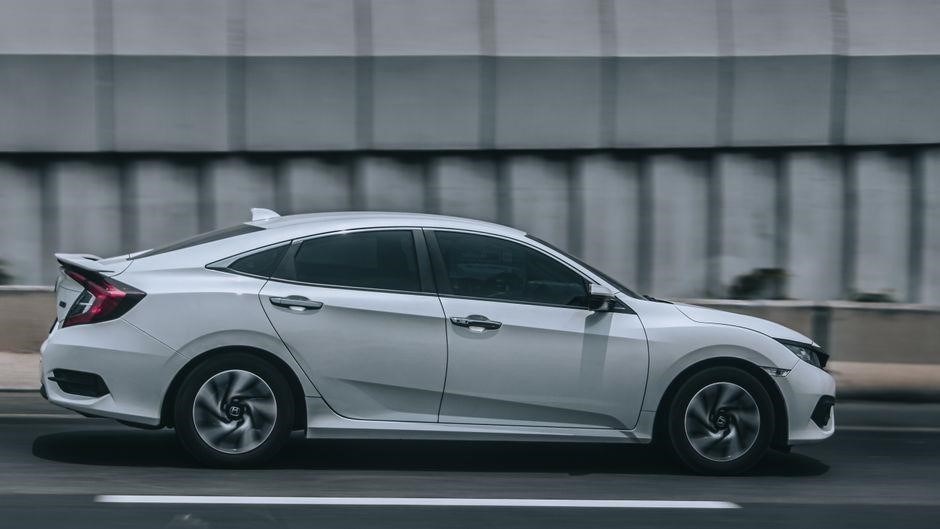
Honda’s 2010 Accord is protected by a comprehensive limited warranty that covers all parts and labor for three years or 36,000 miles. This core coverage includes the engine, transmission, drivetrain, and major electrical components, ensuring any manufacturing defect or failure is repaired at no cost to the owner.
Powertrain components—engine, transmission, and related parts—are covered for five years or 60,000 miles, providing extra protection for high‑usage drivers. Supplemental warranties include 24/7 roadside assistance, tire and battery coverage, and a 12‑month/12,000‑mile bumper‑to‑bumper warranty that protects exterior and interior materials from defects.
All warranty claims must be submitted through an authorized Honda dealer, who follows strict service guidelines. Owners must keep detailed maintenance records and adhere to the recommended oil changes, fluid checks, and component inspections; failure to do so can void coverage. The warranty booklet lists covered and non‑covered items and outlines the claim process.
Electronic modules and safety systems—airbags, ABS, and electronic stability control—are covered for defects that affect operation. Damage from accidental impact, misuse, or improper maintenance is excluded. Prompt reporting of abnormal behavior ensures timely resolution.
California Proposition 65 warnings are included for chemical exposure but do not affect warranty coverage. Honda’s rigorous testing and certification ensure compliance with regulatory standards. By staying informed and maintaining the vehicle per the manual, owners can enjoy reliable performance for years to come.

Emissions, Regulations, and Data Recorders
Honda Accord 2010 meets U.S. emissions standards. Event Data Recorder logs crash data; Service Diagnostic Recorder captures for compliance. California Proposition 65 warns of chemicals that may cause cancer or birth defects. Only a service centers may access data.
Event Data Recorder, Service Diagnostic Recorder, and California Proposition 65 Warning
The 2010 Honda Accord is equipped with an Event Data Recorder (EDR) that captures critical information during a collision or sudden braking event, such as vehicle speed, steering angle, brake pressure, and airbag deployment status. This data assists investigators in reconstructing incidents and can be used to improve safety features. The Service Diagnostic Recorder (SDR) continuously monitors engine and emission control systems, logging fault codes and performance data. Technicians can retrieve this information to verify compliance with federal and state emissions regulations, diagnose issues, and schedule preventive maintenance. California Proposition 65 requires manufacturers to provide a warning if the vehicle contains or emits chemicals that may cause cancer or reproductive harm. The Accord’s warning label informs owners that certain components, such as the interior trim or paint, may contain such substances. Owners are advised to read the label carefully and follow any recommended precautions. The data recorded by the EDR and SDR remains the property of the vehicle’s owner and may only be accessed by authorized personnel or as required by law. Proper handling of this information protects privacy and ensures compliance with regulatory standards. By understanding these systems, owners can better maintain their vehicle’s safety, performance, and legal compliance.
Additional data privacy guidance is in the service manual and online resources. Review EDR and SDR handling procedures to protect personal info. Honda promotes responsible data use for safety everywhere and trust!

Owner Support Resources
Honda offers comprehensive support through authorized dealers, 24/7 roadside assistance, and an extensive online portal. Access owner’s manuals, maintenance schedules, and troubleshooting guides. Schedule service appointments, view recalls, and download updates. Dedicated support ensures peace of mind on every drive.
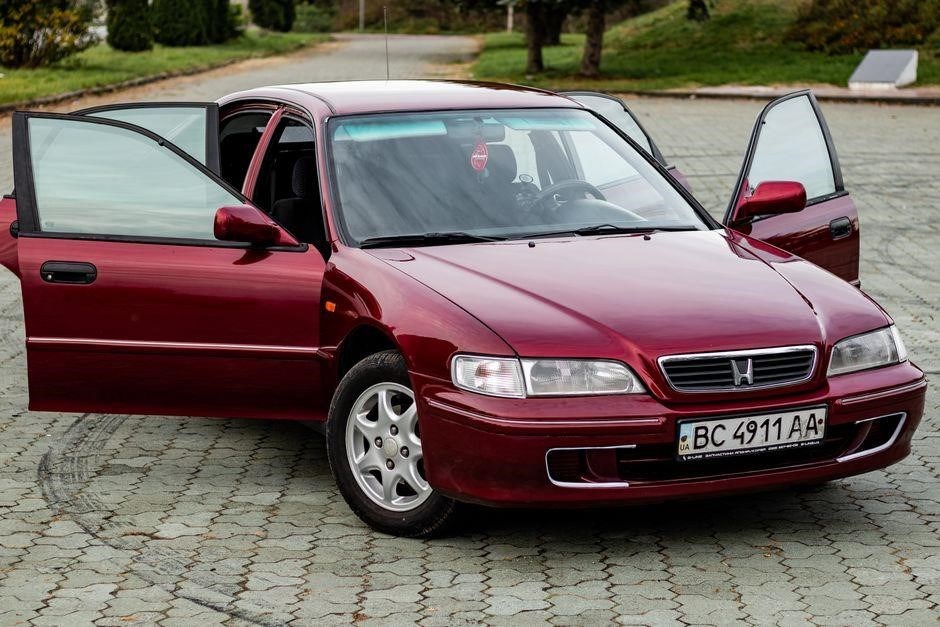
Dealer Services and Online Manuals
Honda’s dealer network provides certified technicians trained in the 2010 Accord’s systems. Service appointments can be scheduled online or via phone. The dealer’s staff can access the vehicle’s maintenance minder data, ensuring timely oil changes, filter replacements, and component checks. Dealers also handle warranty claims, recalls, and parts ordering. Online resources include downloadable owner’s manuals, troubleshooting guides, and video tutorials. The official Honda website hosts a support portal where owners can log service history, view warranty coverage, and request parts. Additionally, the site offers a mobile app for real‑time service reminders and a community forum for peer advice. For emergency roadside assistance, the 24/7 hotline connects drivers to towing, battery jump‑start, and lock‑out services. All dealer services are backed by Honda’s commitment to quality and customer satisfaction, ensuring that every Accord owner receives expert care and up‑to‑date information. Customers can also access a dedicated online portal that offers step‑by‑step service instructions, maintenance schedules, and parts ordering tools. The portal includes a searchable database of OEM parts, ensuring accurate compatibility and pricing. Additionally, owners can register their vehicle to receive automatic updates on recalls, service bulletins, and software upgrades. The mobile app syncs with the portal, sending push notifications for upcoming maintenance and providing quick links to nearby Honda service centers. All updates are free.Now.